Address
304 North Cardinal St.
Dorchester Center, MA 02124
Work Hours
Monday to Friday: 7AM - 7PM
Weekend: 10AM - 5PM
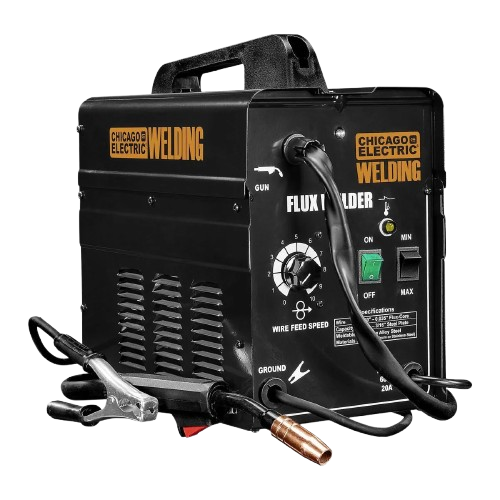
The Flux 125 Welder lets you wire weld without dealing with gas tanks or regulators.
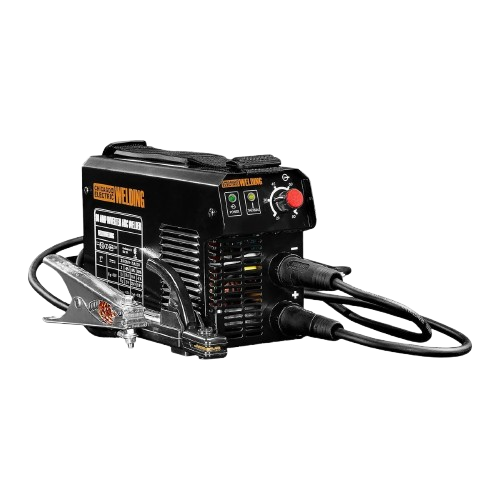
A reliable arc welder that works just as well in a professional shop as it does in your garage.
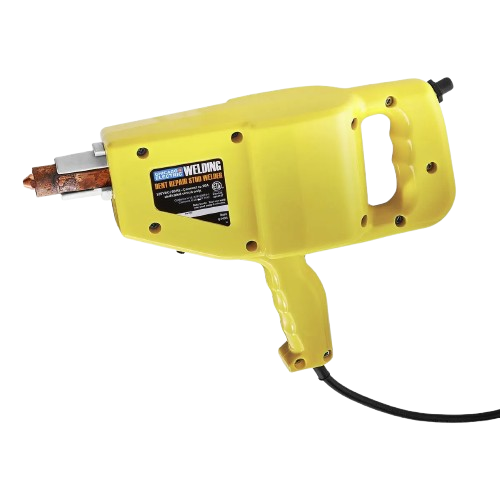
Fix dings and dents without drilling holes—this stud welder gets the job done right.
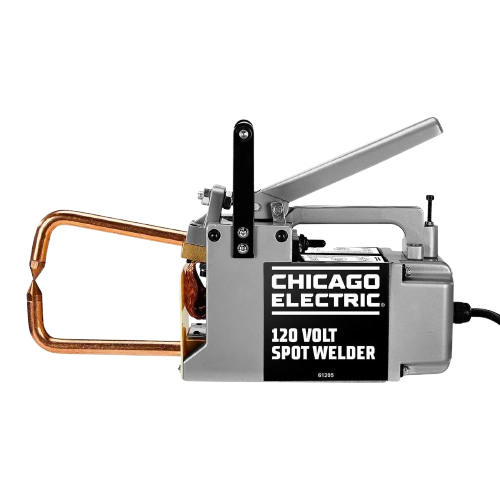
This portable spot welder works with the same 120V power you already have in your home or shop.
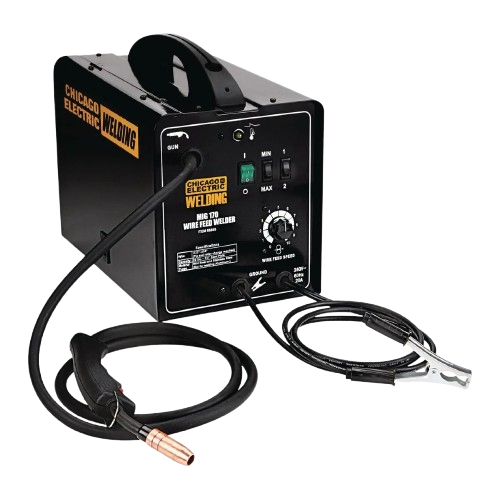
A straightforward MIG flux wire welder that gets the job done without the fuss.
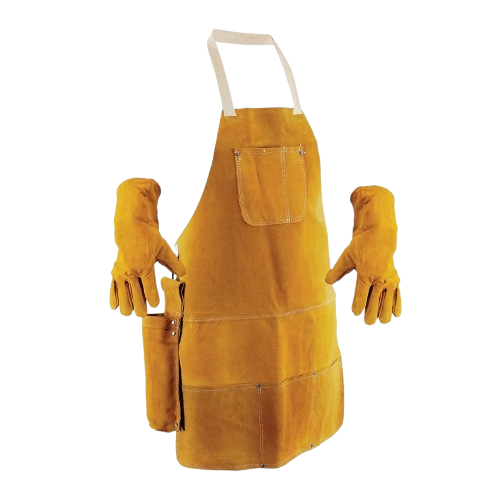
A leather apron, leather gloves, and rod holder all bundled together at a reduced price.
Get the latest welding tips, project ideas, and product announcements delivered straight to the inbox.
Chicago Electric Welder started in a South Side garage in 1978, when a third-generation ironworker got tired of equipment that couldn’t keep up with Chicago winters and 12-hour shifts. We make welders that work as hard as you do — because we’ve been there, torch in hand, trying to get the job done when it’s 10 below and the deadline was yesterday. Our gear isn’t pretty, but neither is real work.
Every welder we build comes from the same place: frustration with tools that promise everything and deliver headaches. We’ve spent decades listening to welders, fabricators, and weekend warriors tell us what breaks, what burns out, and what drives them crazy. Then we go back to our shop and fix it. No focus groups, no corporate consultants — just people who understand that when you’re under a car or sixty feet up on a beam, you need equipment that won’t let you down.
We’re still in Chicago, still family-owned, and still answering our own phones. When you buy from us, you’re not getting a box from a warehouse — you’re getting equipment tested in the same brutal conditions you face. Our warranty isn’t full of fine print because we build things to last, not to break right after the coverage expires. If you’ve got a problem, call us. If you need advice, call us. Hell, if you just want to complain about the Bears while you’re on hold, we get it.


Chicago Electric welders prove you don’t need to spend thousands to get professional welding capability. Whether you’re fixing farm equipment, building custom projects, or running a small fabrication business, these machines deliver the power and reliability that matter—without the premium price tag that doesn’t.
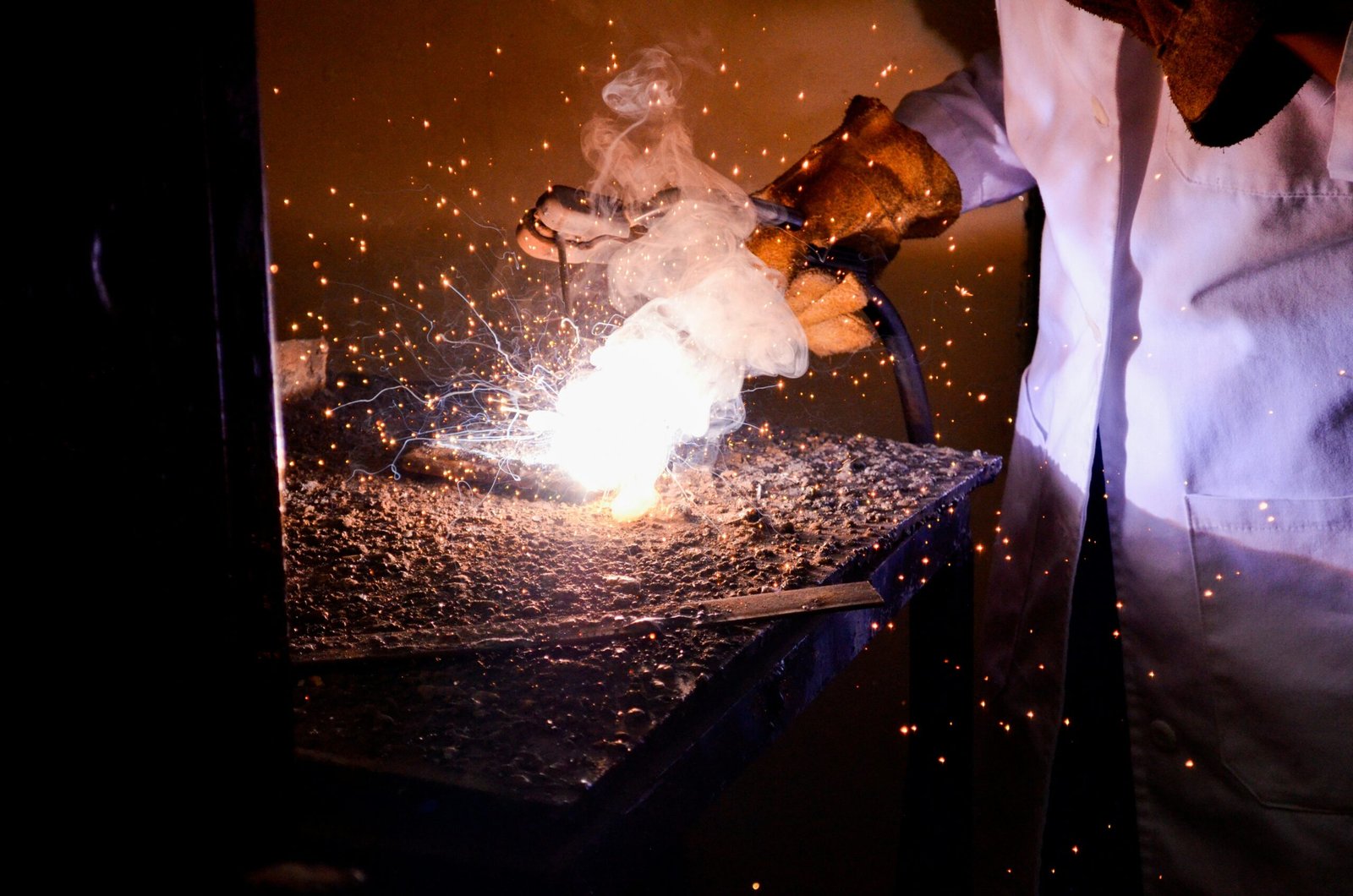
“Look, it’s a Harbor Freight welder – you know what you’re getting. But I’ve built two car trailers and countless shop projects with my Chicago Electric. Just keep it clean and don’t push it past its limits.”
Mike D.
“Bought the Chicago Electric stick welder for farm equipment repairs. It’s not a Miller or Lincoln, but for fixing gates and patching implements, it gets the job done. Three years in and still running strong.”
Roberto C.
“As a beginner, I was intimidated by welding equipment prices. The Chicago Electric MIG helped me start my metal art business without going into debt. Sure, I’ll upgrade eventually, but this got me earning first.”
Ashley T.
Chicago Electric is a well-known budget welding brand that made welding accessible to hobbyists, DIYers, and home shops. The lineup covers flux-core, MIG, arc (stick), TIG, and spot welders at prices that made getting started far cheaper than most name brands.
Popular models include the Flux 125 and 90 amp flux-core welders for quick jobs, MIG 170 and MIG 180 machines for cleaner welds, and arc welders in 70, 80, 90, and higher amp ratings for heavier work. Whatever your project, there is likely a Chicago Electric machine sized for it.
Below we break down the different welder types, explain who makes Chicago Electric and whether these machines are any good, and cover parts, tips, and basic setup so you can weld with confidence.
The Chicago Electric Flux 125 and the 90 amp flux-core welder are among the brand’s most popular machines, and for good reason. They run self-shielded flux-core wire, which means no external gas bottle is needed, making them simple and portable for quick repairs and light fabrication.
Flux-core welding works well outdoors and on slightly dirty or rusty metal, since the flux shields the weld even in a breeze. These machines are ideal for thin to medium steel, trailer repairs, gates, brackets, and general around-the-shop jobs.
Because they plug into a standard household outlet and require no gas, flux-core welders like the Flux 125 are a favorite first welder. Just add the right flux-core wire, a good helmet, and some practice, and you are ready to lay beads.
Chicago Electric made several welder types, and each suits different jobs. MIG welders, like the MIG 170 and MIG 180, feed wire automatically for clean, easy welds on steel and are great for beginners and auto body work, especially when run with shielding gas.
Arc or stick welders, such as the 70 amp and 90 amp models, use electrodes and are simple, rugged, and good for thicker steel and outdoor work. TIG welders offer the most precise, clean welds for thin metal and detailed work, while spot and stud welders handle sheet metal and specialty tasks.
Choosing between them comes down to the metal thickness, whether you want portability or precision, and your budget. Many home welders start with a flux-core or MIG machine and add others as their skills grow.
Chicago Electric is a house brand that was sold through Harbor Freight, built to deliver functional welding equipment at a low price. That is why the machines are so affordable compared with premium welding brands.
So are Chicago Electric welders any good? For hobby use, learning, and light-duty projects, many owners say yes. They are not industrial machines, but for the price they let people learn to weld and complete real repairs. Reviews often praise the value while noting they are best for lighter, intermittent work.
Harbor Freight has since introduced newer welding lines such as Titanium and Vulcan, so some Chicago Electric models are older or discontinued. Even so, they remain popular on the used market and as dependable starter welders, with parts and accessories still widely available.
Keeping a Chicago Electric welder running well often comes down to consumables and basic maintenance. Common replacement parts include the welding gun, contact tips, nozzles, liners, and drive rollers, all of which wear over time and are simple to swap.
To get good welds, set the voltage or heat and wire speed to match your metal thickness, keep a clean ground connection, and practice your travel speed and angle on scrap first. Feeding fresh, correctly sized flux-core or MIG wire makes a big difference in weld quality.
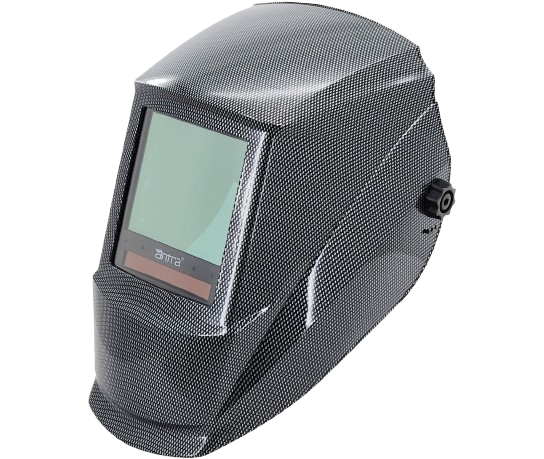
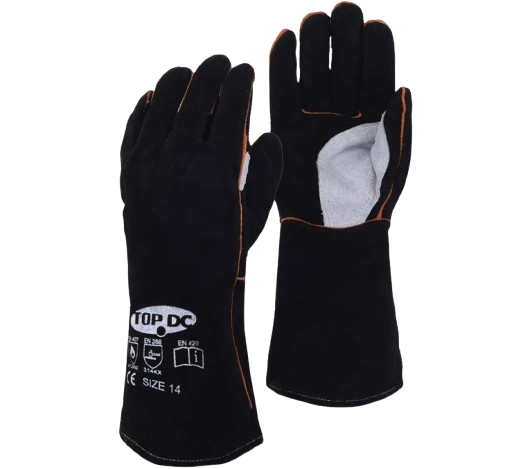
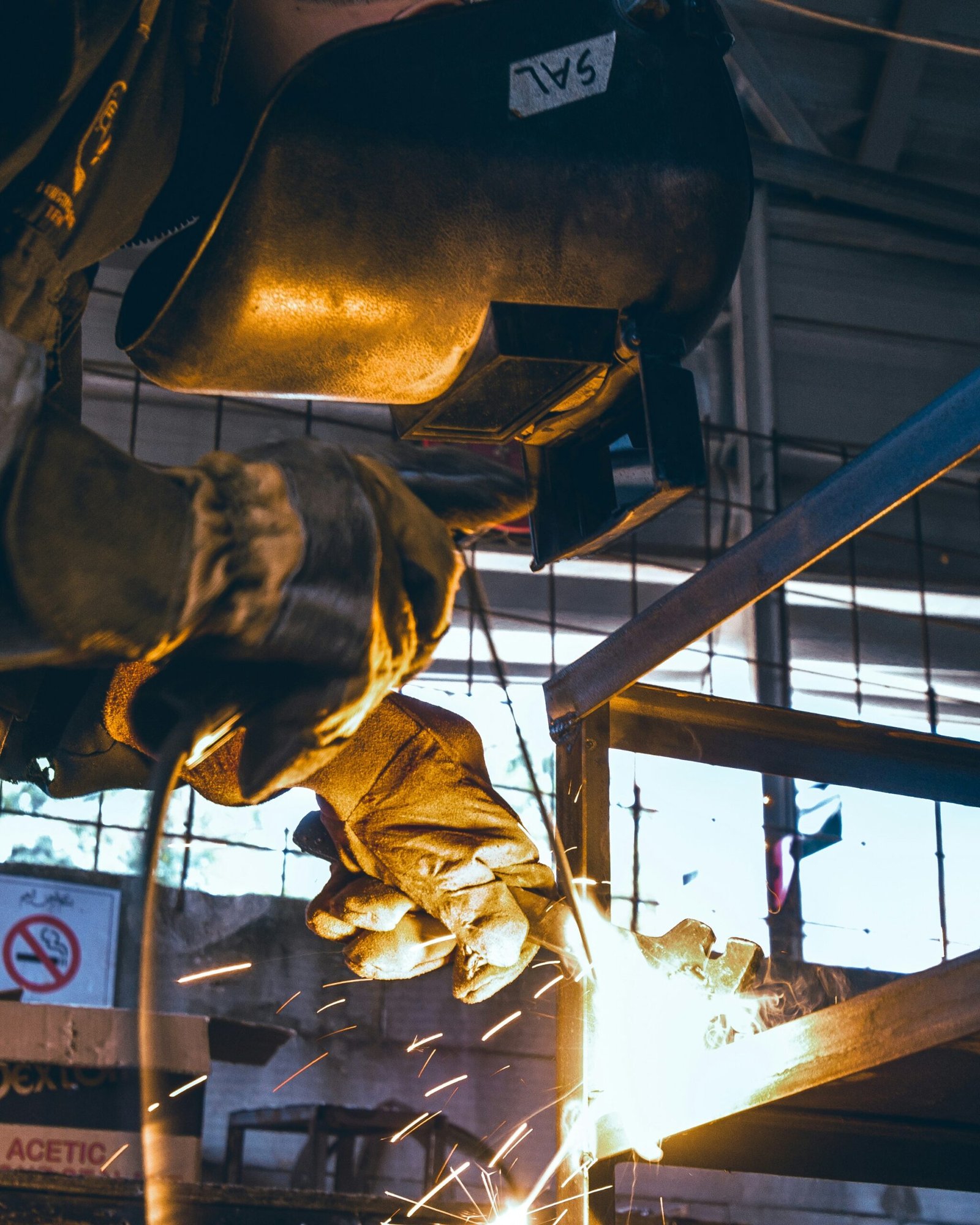
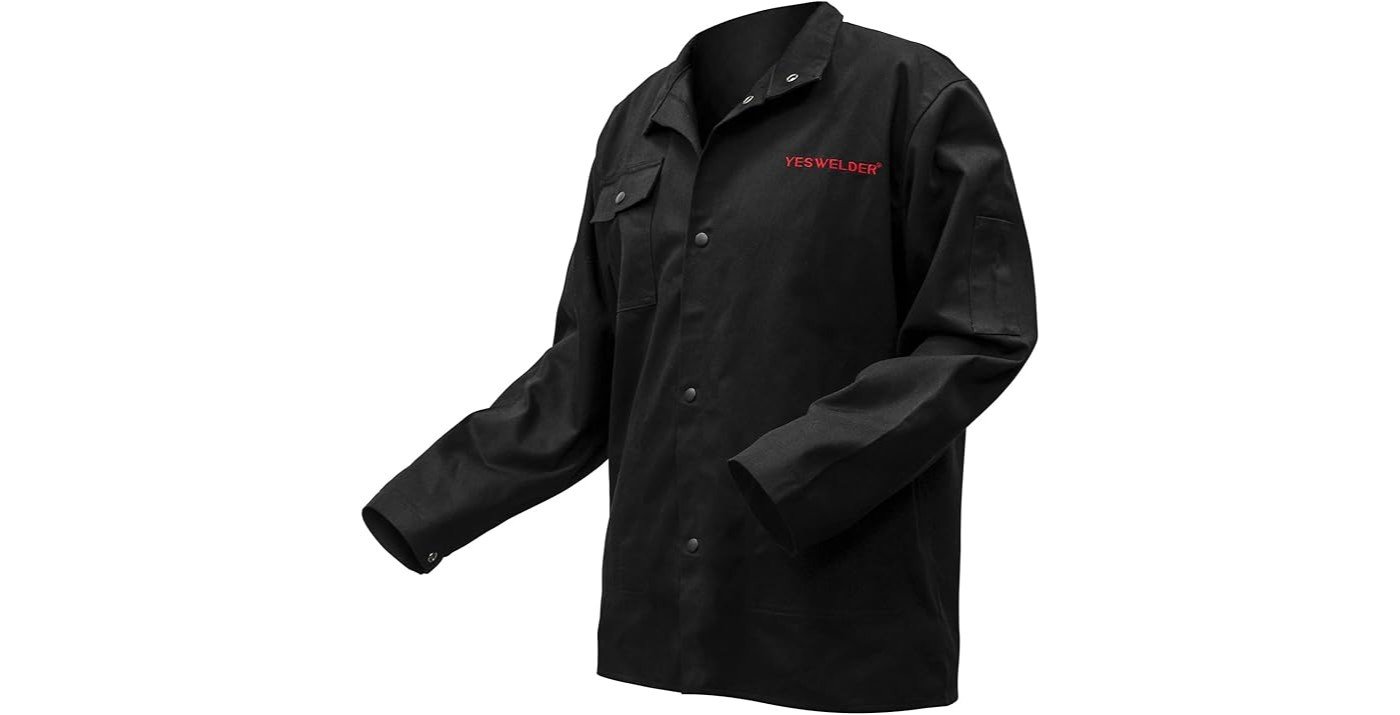
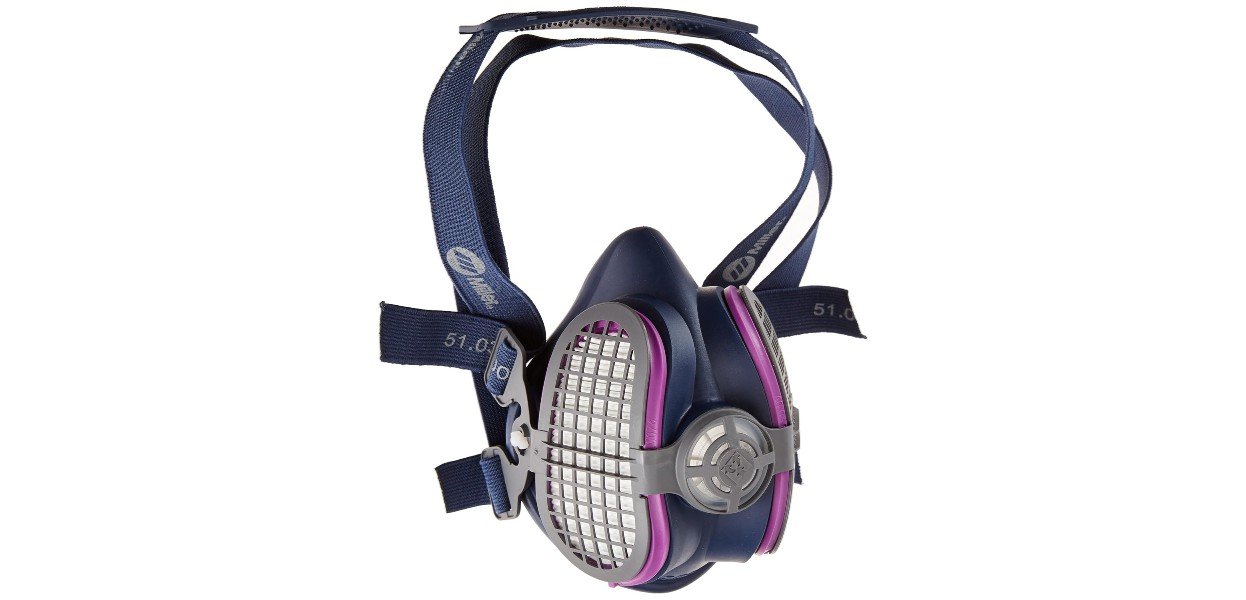
Always weld safely: use an auto-darkening helmet, welding gloves, and flame-resistant clothing, work in a ventilated area, and keep a fire extinguisher nearby. With the right parts, settings, and safety gear, a Chicago Electric welder can handle a wide range of home projects.
Most units require a dedicated 220V circuit with appropriate amperage based on the model specifications. A 30-amp breaker typically suffices for smaller units, while larger models may need 40-50 amp circuits. Always consult the manual for specific electrical requirements and have a qualified electrician verify the installation meets local codes.
Material thickness capacity varies by model and amperage settings. Entry-level units typically handle steel up to 1/4 inch thick, while higher-powered models can weld 3/8 inch or thicker materials. Aluminum and stainless steel may require different settings and potentially different wire types. Multiple passes can extend thickness capabilities for some applications.
Standard flux-core wire works well for general steel fabrication without requiring shielding gas. For cleaner welds and reduced spatter, solid wire with appropriate shielding gas (typically 75% argon/25% CO2 mix) provides better results. Wire diameter selection depends on material thickness – 0.030″ for thinner materials and 0.035″ for thicker stock.
Chicago Electric is a house brand that was sold through Harbor Freight. The tools and welders were built to Harbor Freight’s specifications by contract manufacturers, which is how they reached such low prices.
As a Harbor Freight house brand, Chicago Electric tools were manufactured overseas by contract factories to keep costs low. Exact sourcing varied by model and production run.
The Flux 125 is a popular entry-level flux-core welder that runs self-shielded wire with no gas bottle. It plugs into a standard outlet and is well suited to thin to medium steel, repairs, and light fabrication.
No. Flux-core models like the Flux 125 and 90 amp welder use self-shielded wire, so no external shielding gas is needed. That makes them simple, portable, and good for outdoor work where wind would blow gas away.
Aluminum is difficult on most basic Chicago Electric machines. MIG aluminum usually needs a spool gun and gas, and flux-core wire does not weld aluminum well. For aluminum, a TIG or a MIG with a spool gun and proper gas is the better choice.
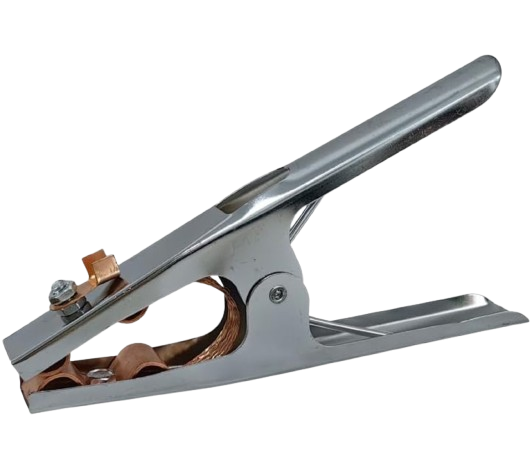
Load the correct wire or electrode, attach a clean ground clamp to the workpiece, and set the heat and wire speed to your metal thickness. Practice on scrap first, keep a steady travel speed and angle, and always wear proper safety gear.
Use an auto-darkening welding helmet, welding gloves, and flame-resistant clothing, plus closed shoes. Work in a ventilated area away from flammable materials, and keep a fire extinguisher nearby whenever you weld.
Thermal protection activates when internal components exceed safe operating temperatures. This commonly occurs from exceeding the duty cycle – running too long without adequate cooling periods. Operating at maximum amperage settings, poor ventilation, or blocked cooling vents can trigger protection sooner. Allow 15-30 minutes for cooling when this occurs.
Regular maintenance includes cleaning spatter from the contact tip and nozzle, checking wire feed tension, and inspecting the ground clamp connection. Monthly tasks involve blowing compressed air through vents to remove dust and checking all electrical connections for tightness. Replace contact tips when the hole becomes enlarged or oval-shaped.
Inconsistent welds often stem from poor ground connections, incorrect wire speed/voltage combinations, or contaminated base metal. Clean all surfaces thoroughly before welding, ensure solid electrical connections, and maintain consistent travel speed and angle. Practice on scrap material to dial in settings before working on final projects.
For hobby, DIY, and light-duty work, many owners find them good value. They are not industrial-grade, but they let beginners learn to weld and handle real repairs. They perform best on lighter, intermittent jobs rather than heavy production use.
Harbor Freight has shifted its welding lineup toward newer brands like Titanium and Vulcan, so several Chicago Electric models are older or no longer sold new. They remain common on the used market and still have parts and accessories available.
The 90 amp flux-core welder handles thin to medium mild steel, making it good for trailer repairs, brackets, gates, and general shop projects. It is not designed for heavy structural or thick plate welding.
MIG feeds wire and uses shielding gas for clean welds on steel. Flux-core uses self-shielded wire and needs no gas, great outdoors. Stick (arc) welding uses electrodes and is rugged and simple, good for thicker metal and dirty conditions.
Common consumables and parts such as guns, contact tips, nozzles, liners, and drive rollers are widely available through Harbor Freight and third-party suppliers. Match the part to your specific model number for the correct fit.
Higher amperage welds thicker metal. Light sheet and thin steel weld fine around 70 to 125 amps, while thicker material needs more power. Match the machine’s rated output to the thickness of the metal you plan to weld most often.
Titanium is Harbor Freight’s newer, more refined welding line with updated features, while Chicago Electric is the older budget brand. Titanium generally offers smoother performance, but many Chicago Electric machines still deliver solid value, especially used.